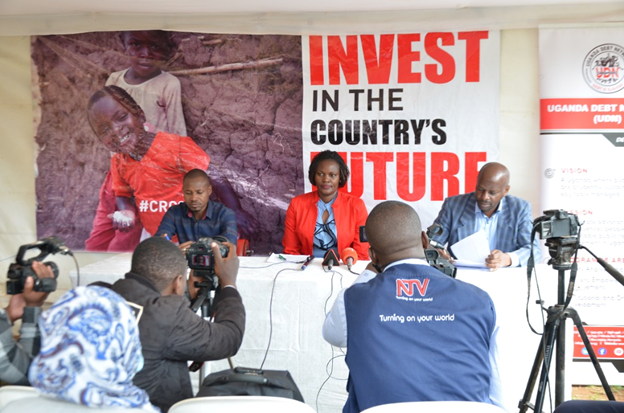
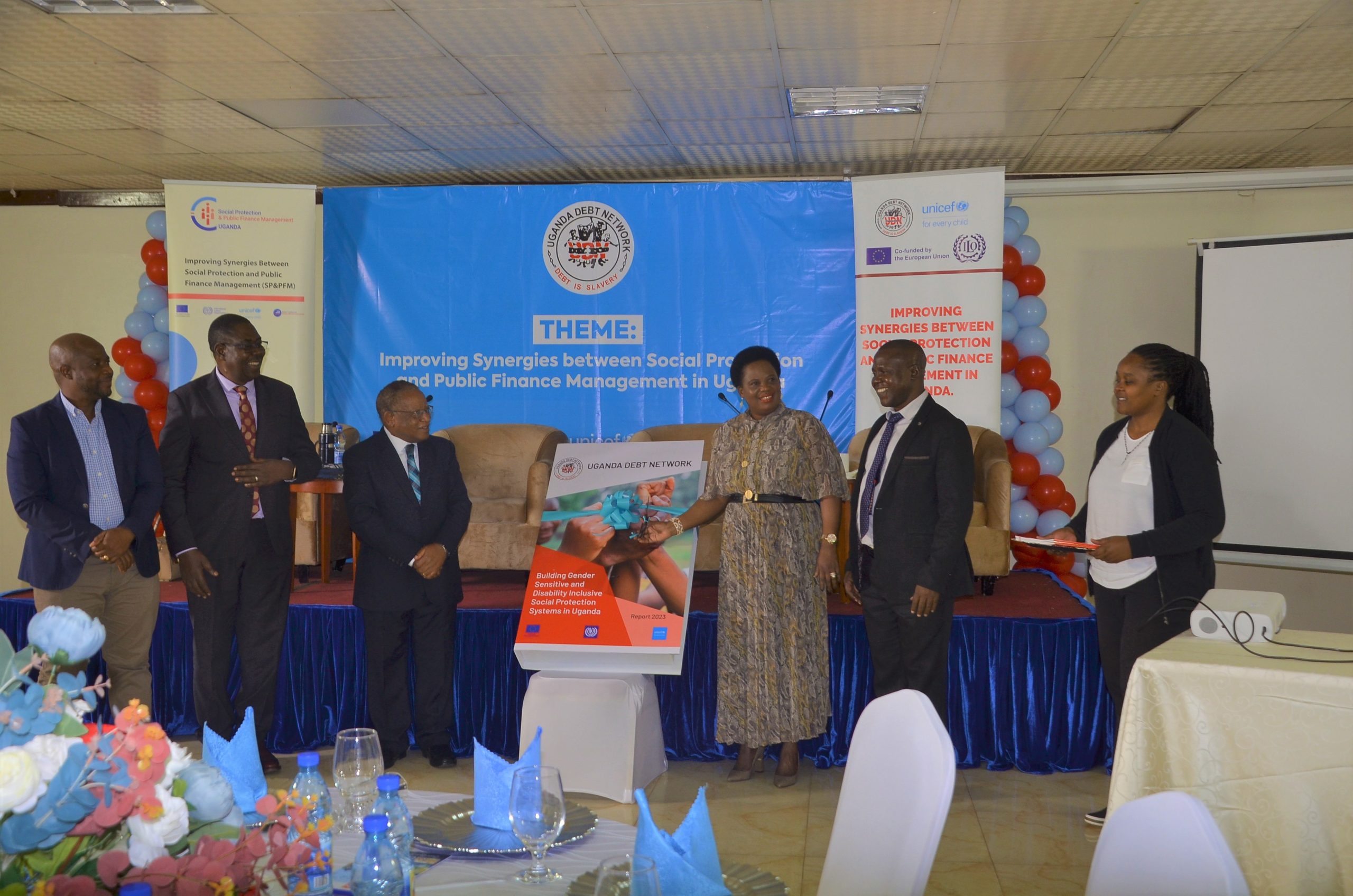
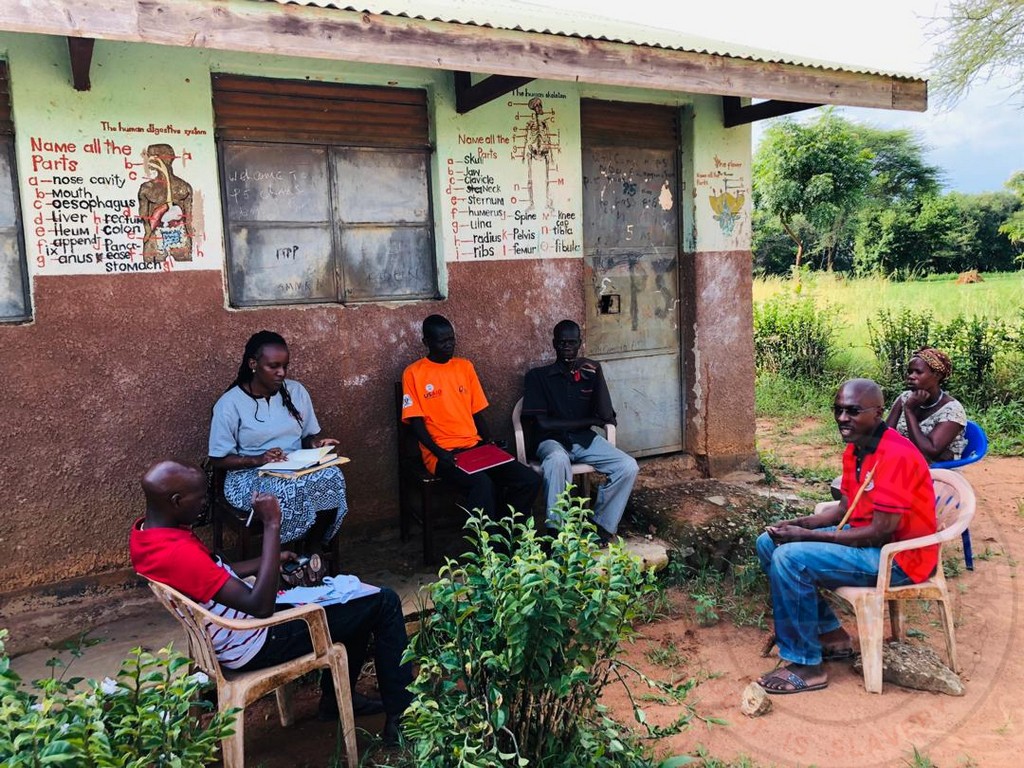
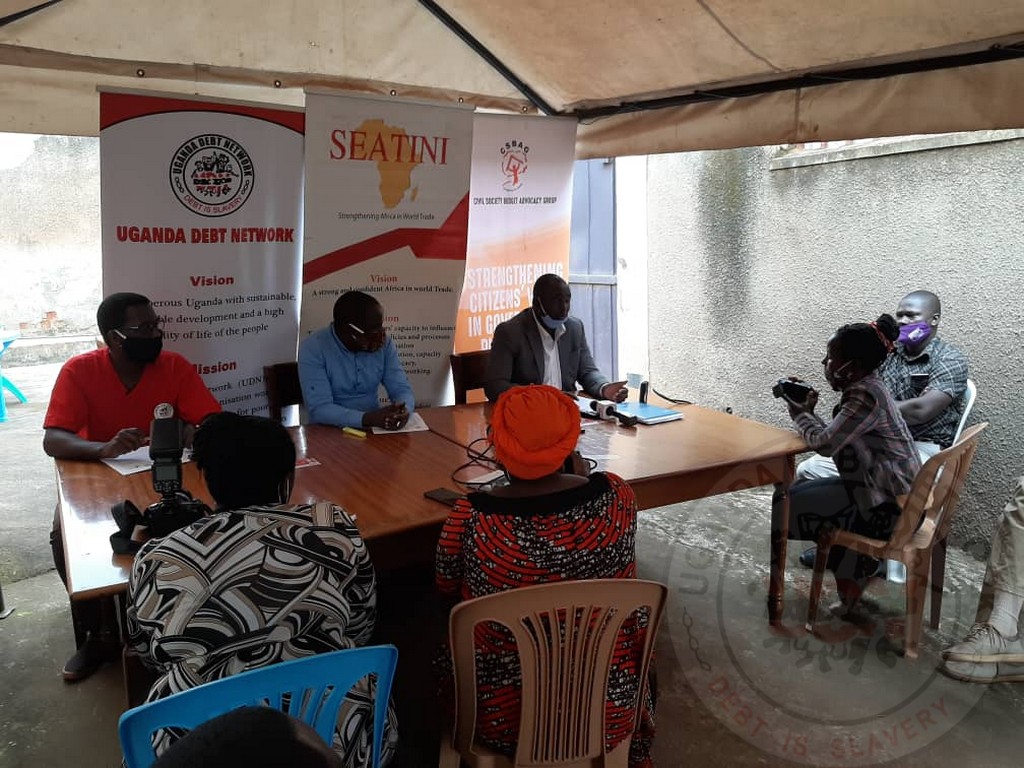
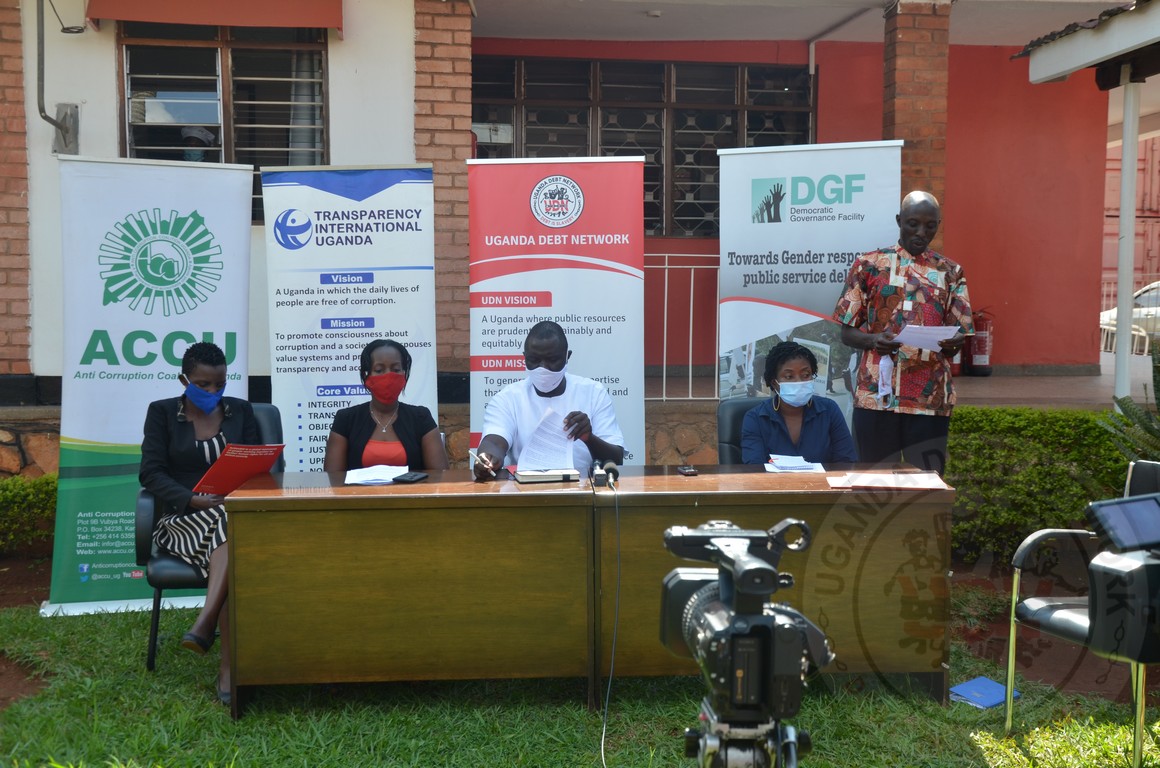
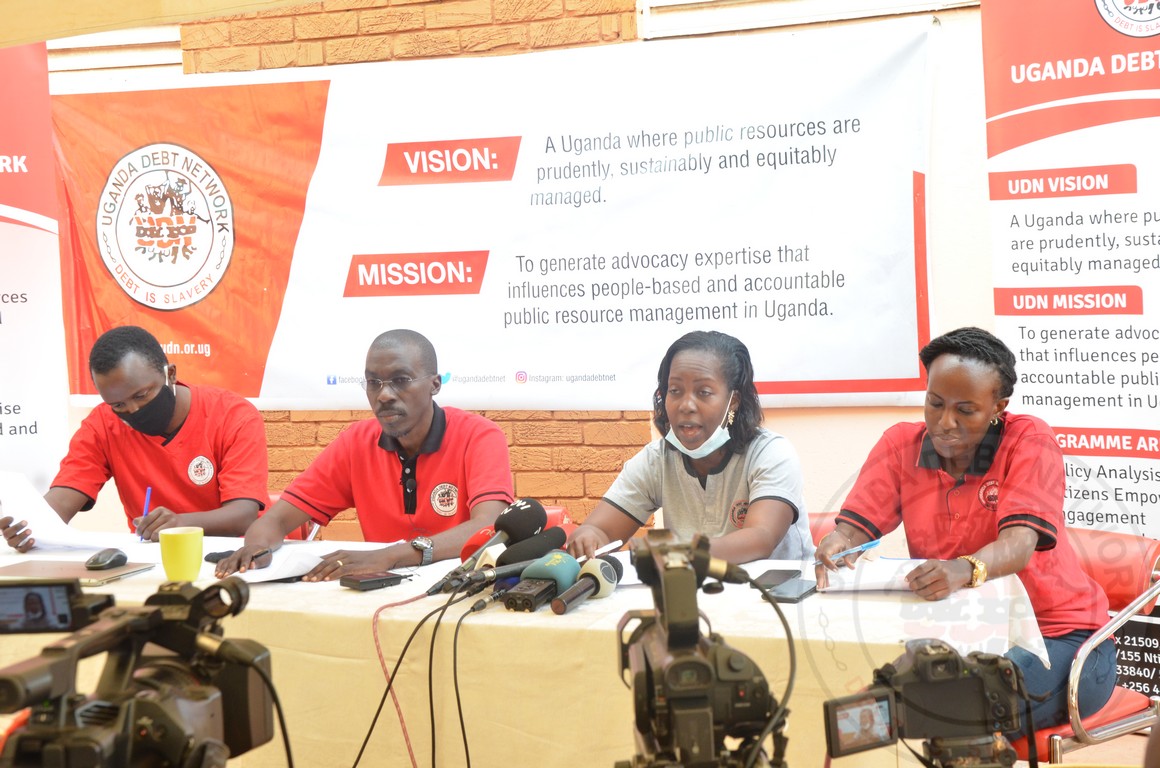
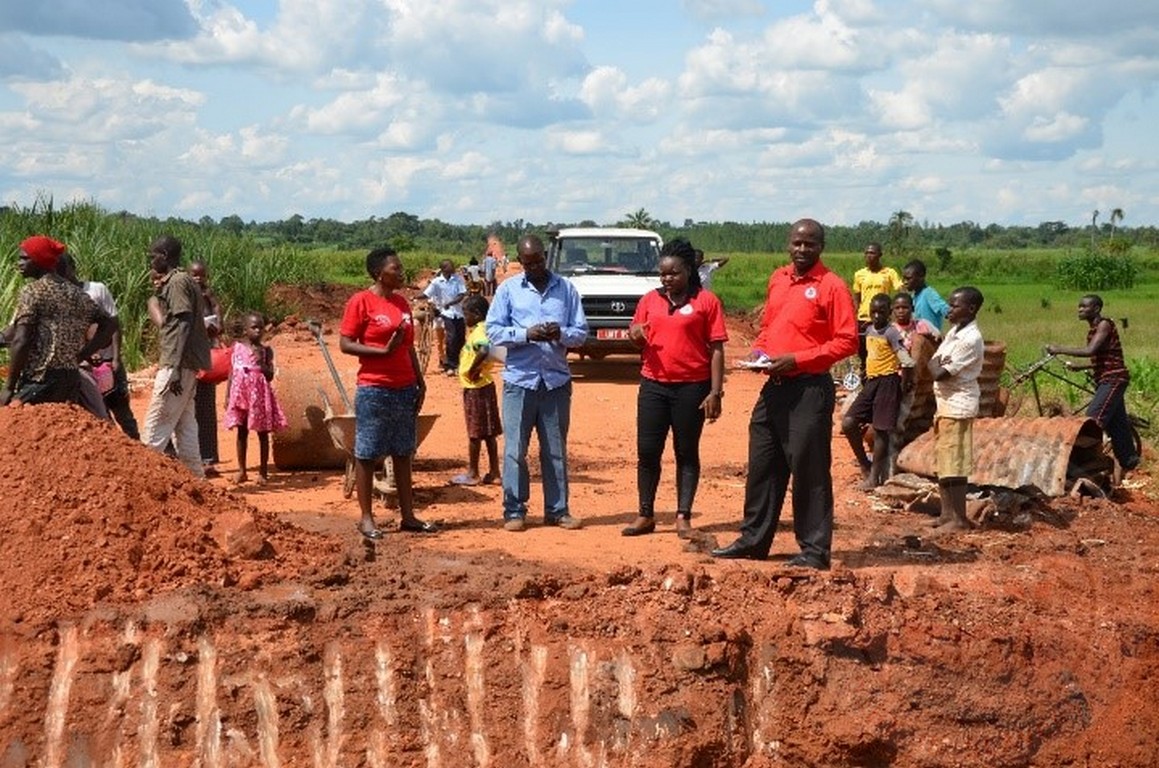
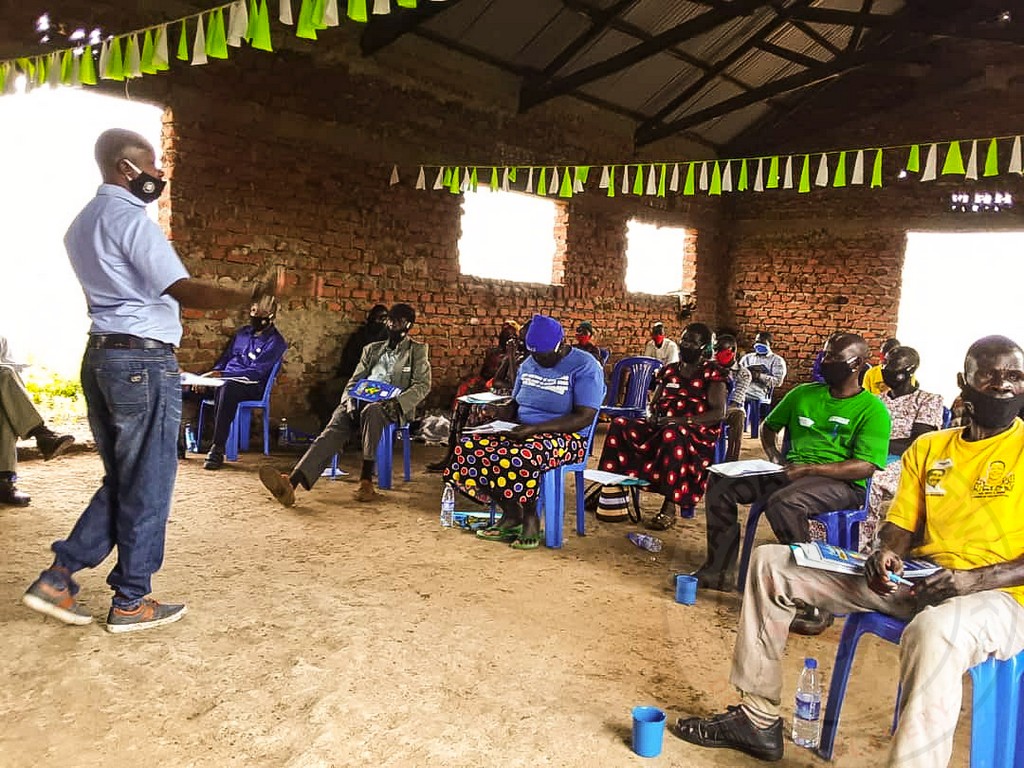
Uganda Debt Network (UDN) through her Community Based Monitoring and Evaluation System (CBMES) approach, different…
Read More
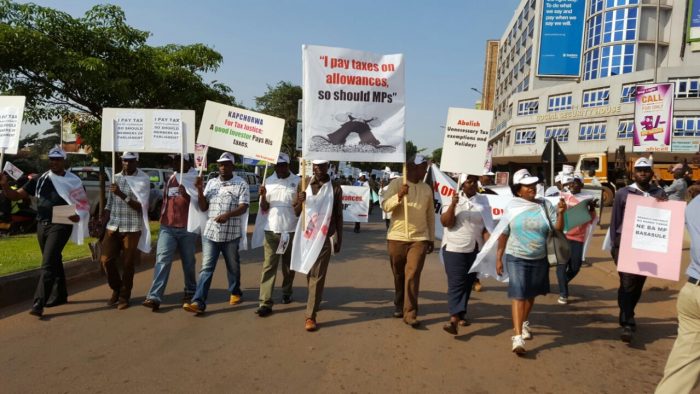
As you are aware, on 15th November 2016, Parliament returned the Income Tax (Amendment) Bill,…
Read More
A healthy population is a pre-requisite for a productive human resource that will directly impact…
Read More
Uganda like other developing countries does not wholly finance its Financial Year National budget, hence…
Read More
Policy Documents
UDN’S PROTECTION FROM SEXUAL EXPLOITATION AND ABUSE (PSEA) POLICY
- Introduction
About Uganda Debt Network (UDN)
UDN is a national policy advocacy organization that works towards prudent management of public debt and other resources for equitable and sustainable development in Uganda. UDN promotes and advocates for poor and marginalized people to participate in influencing poverty-focused policies, demand for their rights and monitor service delivery to ensure prudent, accountable and transparent resource generation and utilization.
- The Vision, Mission and Objectives why UDN was established.
UDN Vision: Sustainable Debt and Equitable Development in Uganda
UDN Mission: To foster citizen-centered accountable management of Public debt and other Resources for equitable and sustainable development in Uganda.
UDN Core Values
- Integrity
- Evidence-based advocacy
- Respect for the poor and marginalized
- Gender sensitivity, equality and non-discrimination
- Transparency and Accountability
- Professionalism
- Fairness
Objectives of UDN:
- Strategic Objective 1: To promote Public policy advocacy for Prudent, People-centred sustainable debt management and development at national and global levels
- Strategic Objective 2: To Enhance Citizens’ participation and ownership of Development initiatives.
- Strategic Objective 3: To ensure that UDN is a steadfast institution able to deliver on her mandate
- Scope of the UDN PSEA Policy.
UDN PSEA Policy is meant for and should be adhered to by all UDN Contractually Obligated Persons, herein also referred to as personnel. The COP / UDN personnel in the UDN PSEA policy shall be construed to refer to the following:
UDN board members, staff, partners, contractors, suppliers and all third parties working with or for UDN. The policy applies both in their working and as well as their personal lives.
This policy is intended to ensure that PSEA procedures are developed and implemented to protect rights of community women and men, children, adults and any vulnerable persons we target, work with from sexual abuse and exploitation or any other harmful behavior by UDN Staff, volunteers, consultants and other people that work for UDN.
Sexual Exploitation and Abuse (SEA) is a violation of UDN Code of Conduct, values and commitment to promoting and protecting rights of all children, young people and vulnerable adults in actions and decision making.
Aligned to the U.N. Inter-Agency Standing Committee (IASC) Six Core Principles Relating to Sexual Exploitation and Abuse.
The policy provides guidance and direction to UDN staff, Volunteers, Consultants and another person working for UDN with the objective of;
- Understanding the importance of prevention of sexual exploitation and abuse, their responsibility to ensure that they and their work do not deliberately cause harm to children and vulnerable adults.
- All UDN staff, volunteers, consultants and other persons doing business with UDN understand their role in prevention of sexual exploitation and abuse and the consequences of violating/breaching this policy. ‘
- All UDN staff, volunteers, consultants and other persons doing business with UDN understand their responsibility to Identify and act upon potential or actual sexual exploitation and abuse in a timely manner.
- All UDN staff, volunteers, consultants and other persons doing business with UDN understand their responsibility of ensuring protection of survivors.
- All UDN staff, volunteers, consultants and other persons doing business with UDN understand their obligation and take action to create and maintain an environment which prevents sexual exploitation and abuse and promotes the implementation of their code of conduct.
- UDN therefore commits to do whatever it can within their means to ensure children, adults and vulnerable members within communities are safe, protected and responded to in a timely manner.
- Date the Policy is effective
This Policy against Sexual Exploitation and Abuse comes into effect following approval by the Board of Directors as indicated by the approving signatories.
The policy will be revised and updated every after 2 years from the effective date of implementation.
- Our values and principles
This policy is concerned with the Protection from Sexual Exploitation and Abuse (PSEA) of children and adults (anyone over the age of 18). This includes direct or indirect beneficiaries of our programming, adults in the wider communities in which we work and those who come into contact with UDN or our representatives.
UDN has a “Zero Tolerance” approach to Sexual Exploitation and Abuse and does not allow any partner, supplier, sub-contractor, agent or any individual engaged by UDN to engage in any form of sexual abuse or exploitation against children, vulnerable or other adults associated with its work. All children and adults have the equal right to protection from sexual abuse and exploitation regardless of any personal characteristic, including their age, gender, ability, culture, racial origin, religious belief and sexual identity.
This policy applies to all persons working for us or on our behalf in any capacity, including employees at all levels, directors, officers, agency workers, seconded workers, volunteers, interns, agents, contractors, external consultants, third-party representatives, suppliers and business partners. It applies during or outside of working hours, every day of the year.
- What is Sexual Exploitation and Abuse?
Sexual Exploitation and Abuse refers to all forms of inappropriate conduct of a sexual nature. This includes, but is not limited to:
- Exchanging money, employment, goods or services for sex, including sexual favours or other forms of humiliating, degrading, or exploitative behaviour;
- Sexual activity with commercial sex workers in countries where UDN is delivering programming whether or not prostitution is legal in the host country; and
- Use of a child or adult to procure sex for others.
Definitions of Sexual Exploitation and Abuse:
Sexual Abuse The threatened or actual physical intrusion of a sexual or sexualised nature, including inappropriate touching, by force or under unequal or coercive conditions, sexual assault and rape. It may also include threatened or actual nonphysical intrusion (unwanted and/or uninvited exposure to pornography, texts, images, and so on, the sharing of images, texts and so on, demands for sexualised photographs etc.).
Sexual Exploitation: Any actual or attempted abuse of a position of vulnerability, differential power, trust, or dependency, for sexual or sexualised purposes. This includes the offer or promise of monetary, social, political benefits as an incentive or form of coercion.
Sexual favours: Any sexual or sexualised acts, in exchange for something such as money, goods, services, opportunities and so on. Also includes demands for inappropriate photographs, filming, and exposure to pornography and so on.
Grooming: The cultivation of emotional relationships with those in positions of vulnerability or inequitable power, with the intention of manipulating these relationships into sexualised dynamics in the future
Zero Tolerance: At UDN, we have a culture of zero tolerance for all forms of abuse and mistreatment, including Sexual Exploitation and Abuse, Harassment, Intimidation and Bullying.
This means that every single concern is fully responded to and where necessary prompt action (including conducting an investigation and taking disciplinary action, if applicable) is taken.
It means that we will hold our people to account against the same standards and subject them to the same processes, as everyone else regardless of their position or reputation within the organization.
Sexual exploitation and abuse are a violation of fundamental human rights. It can also be a criminal act. UDN is committed to acting ethically and with integrity in all our business dealings and relationships and to implementing and enforcing effective systems and controls to ensure the exploitation and abuse of adults is not taking place anywhere in our own business or in any of our supply chains or partnerships. UDN is committed to ensuring there is transparency in our own business and in our approach to preventing and responding to any safeguarding violations against adults throughout our supply chains, and relationship with third parties. In addition, we are committed to ensuring our approach is consistent with our national and international disclosure obligations, and shall comply with all applicable laws, statutes, regulations and codes from time to time in force, including:
- All relevant Ugandan laws related to protection from sexual abuse, violence and harm, and those outlining measures for reporting known or alleged cases of abuse;
- Applicable laws in the countries where UDN operates; and
- UN Secretary General’s Bulletin: Special Measures for Protection from Sexual Exploitation and Abuse
Where the guidance in this policy conflicts with any applicable laws or regulations, the higher standard must be observed at all times.
- Our Approach to Preventing the Abuse and Exploitation of Adults
UDN is committed to preventing the sexual exploitation and abuse of children and adults, including through the following means:
Awareness: Ensuring that all staff, representatives and third parties connected to UDN are aware of the high standards of behaviour and conduct expected of them to protect both children and adults from any form of sexual abuse and exploitation in their private and working lives.
Prevention: Ensuring, through awareness and good practice, that staff and those who work with UDN minimise the risks of any form of sexual exploitation and abuse, including but by no means limited to conducting relevant vetting and background checks of staff as part of their recruitment process.
Reporting: Ensuring that all staff and those who work with UDN are clear on what steps to take where suspicions or concerns arise regarding allegations of sexual exploitation or abuse of children, adults and other vulnerable members of the populations where we work.
Responding: Ensuring that immediate action is taken to identify and address reports of sexual exploitation and abuse and ensure the safety and well-being of the persons being sexually exploited or abused.
To help UDN personnel identify SEA incidents the following are examples of prohibited behaviour:
- Engaging in relationships, which could be an abuse of trust, are abusive and/or exploitative.
- Your employees engaging in commercial sexual exploitation of a person, for example a hotel employee facilitating sexual abuse by hotel guests.
- Sexual assault.
- Forcing sex or someone to have sex with anyone.
- Forcing a person to engage in prostitution or production of pornography.
- Unwanted touching of a sexual nature.
- Child prostitution
- Child and adult trafficking for sexual abuse and exploitation
- Child labour for economic gains
- Sexually based stalking
- Bullying
- No consent for intimacy
- Having intimate relationship with beneficiary / host communities
- Promising program benefits as a result of sexual act.
- The commitments expected of UDN’s Personnel
UDN expects the same high standards from all her personnel, who include all partners, contractors, suppliers and all third parties working with or for UDN, including taking measures to prohibit their staff and representatives from engaging in any sexual exploitation and abuse in their working and personal lives.
- UDN personnel must have a zero-tolerance policy on SEA and take all measures possible to prevent and respond to any actual, attempted or threatened of sexual exploitation or abuse involving UDN staff or representatives, or the organisation’s employees or representatives that arises during performance of the terms of their assignments.
- UDN personnel must ensure that staff members and those working with UDN under their control are fully aware of this policy and encourage them to report incidents of suspected, or actual, concerns of sexual exploitation and sexual abuse involving UDN staff or representatives, or their organisation’s employees or representatives that arises during performance of their work.
- COPs must immediately report any suspicion or incident of sexual exploitation or abuse occurring in UDN, the organisation or sub-contractors in relation to their business partnership with UDN. Failure to report will be treated as a breach of the PSEA policy whose sanctions may result in termination of their contracts with UDN.
- When any UDN personnel or those working his / her control suspect or become aware of a safeguarding concern in relation to work for UDN, they are obliged to: –
- Act quickly and immediately report suspicions or knowledge of a safeguarding concern or incident to a relevant contact at UDN (which could include the PSEA Focal Point, the UDN Executive Director).
- Keep any information confidential except to the PSEA focal person, investigation manager or their designate.
- UDN personnel shall be obligated to cooperate during any investigations of SEA related concerns reported under this policy.
- IASC Six Core Principles Relating to Sexual Exploitation and Abuse
In order to keep the internal working environment and that of the beneficiaries safe, all UDN personnel shall follow the IASC[1] Six Core Principles hereunder:
- Sexual exploitation and abuse by humanitarian workers constitute acts of gross misconduct and are therefore grounds for termination of employment.
- Sexual activity with children (persons under the age of 18) is prohibited regardless of the age of majority or age of consent locally. Mistaken belief regarding the age of a child is not a defence.
- Exchange of money, employment, goods, or services for sex, including sexual favours or other forms of humiliating, degrading or exploitative behavior is prohibited. This includes exchange of assistance that is due to beneficiaries.
- Any sexual relationship between those providing humanitarian assistance and protection and a person benefitting from such humanitarian assistance and protection that involves improper use of rank or position is prohibited. Such relationships undermine the credibility and integrity of humanitarian aid work.
- Where a humanitarian worker develops concerns or suspicions regarding sexual abuse or exploitation by a fellow worker, whether in the same agency or not, he or she must report such concerns via established agency reporting mechanisms.
- Humanitarian workers are obliged to create and maintain an environment which prevents sexual exploitation and abuse and promotes the implementation of their code of conduct. Managers at all levels have particular responsibilities to support and develop systems which maintain this environment.”
- Appointment of PSEA Focal Person and Creation of Reporting Mechanism
While the ultimate responsible accounting person for PSEA policy shall be the Executive Director, UDN management shall designate and appoint the PSEA Focal Person and the Alternative PSEA Focal Person for purposes of operationalising this policy. A special contact address for reporting shall be provided and publicised among all UDN personnel and beneficiaries. The email address for complaints and whistleblowing is PSEA-Report@udn.or.ug
- PSEA Work Plan Implementation and Reporting
PSEA Policy shall be mainstreamed in all UDN work. This may include direct training, refresher training, dissemination of PSEA related information or including of PSEA information sessions during any of the UDN meetings and external activities. All periodical reports (quarterly semi-annual, annual or otherwise) shall have provisions for PSEA reporting.
- Policy Approval
The UDN PSEA Policy was approved by the board as follows:
- Fred Omach – Chairperson, Board of Directors
- Edward S. Gaamuwa – Chairperson, Board Human Resource Committee
- Christine Mubiru – Secretary, Board of Directors
17th November 2022
[1] Created by United Nations General Assembly resolution 46/182 in 1991, the Inter-Agency Standing Committee (IASC) is the longest-standing and highest-level humanitarian coordination forum of the United Nations system. It brings together the executive heads of 18 organizations and consortia to formulate policy, set strategic priorities and mobilize resources in response to humanitarian crises.